
Pandemic treaty postponed to 2027: WHO grapples with vaccine disagreements, post-Covid crisis of confidence
The meeting of the European Parliament's Health Committee in Geneva confirmed the postponement of the approval of the global WHO Pandemic Agreement until May 2027 due to disputes between rich and developing countries on data sharing and drug distribution. Restoring public confidence after the covid-19 pandemic, protecting doctors in crisis zones and the need to get rid of financial dependence on private donors and the pharmaceutical industry remain key challenges for the World Health Organization.
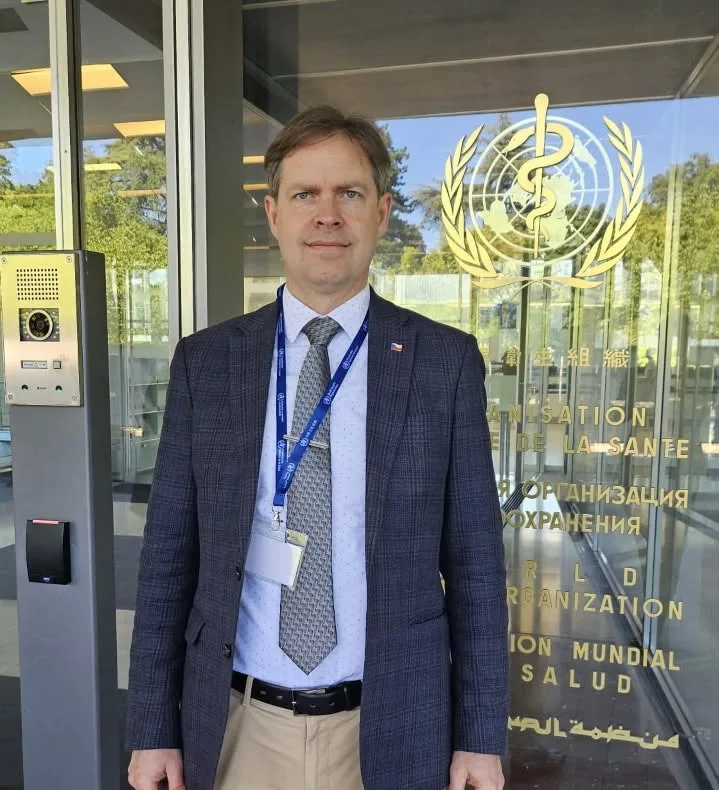
In Geneva at the WHO, with the Health Committee of the European Parliament. Tough but important negotiations. Detailed reports:
First, the WHO Pandemic Agreement is postponed. The reason is that poor and rich countries (and the pharmaceutical industry) did not agree on the annex to the Pandemic Agreement on pathogen access and benefit-sharing (PABS). Only when/if agreement is reached on this annex will the Pandemic Treaty be opened for signature by member states, this is expected in May 2027. I will monitor the situation and report back.
Now to WHO in general. Anyone who reads my posts knows that I evaluate events in a balanced and passionless way, even if it does not generate so much attention and "likes", because it is necessary in the health sector and international relations. So, here we go:
I deeply appreciate the eight decades of work of doctors and public health experts at the World Health Organization (WHO), brave and educated people who help alleviate the suffering of people in countries where there is not only basic medicine, sometimes even drinking water and food, but there are terrorists, civil war, or "joys" from cholera and malaria to Ebola. Who help promote access to free health care and functioning health systems against tough business interests. Who work on how to protect human health through prevention, elimination of poisons and addictions. We have a tendency to take for granted what has been achieved in the Czechoslovak Republic in terms of public health protection, but this is not the case in most of the world. And it is WHO, founded along with other UN organizations after the suffering of World War II, that has done a lot in its history to make the world a safer and healthier place to live.
I would like the WHO to speak out even more, together with other UN institutions, against attacks against doctors and health workers in crisis zones such as Palestine, these are war crimes. And also against illegal sanctions that cause death and health damage worse than wars by denying people access to essential medicines, vaccines, hospital care and basic necessities; the recent events in Cuba are unfortunately only two of a long list of examples, and the WHO, the European Parliament and the world community must not remain silent.
The WHO must not be dependent on money from Bill Gates or private foundations, especially those that are in any way connected to the pharma business. WHO's current dependence on this money undermines confidence in the impartiality of WHO's recommendations and the exercise of its powers, particularly in relation to vaccination and the health and pharmaceutical market. The 192 member states of the WHO are not so poor that they have to ask private billionaires like Mr. Gates or foundations receiving money from pharma to pay the WHO's bills. Richer countries should support the WHO's "traditional" humanitarian activities or outbreak monitoring from public sources, but prohibit it from accepting private money to protect its independence and integrity in matters of global public health (compared to the trillions we now invest in armaments, the WHO's annual budget is negligible - and in comparison, for the ten billion euros paid to Pfizer for C19-vaccines, the entire WHO could function for several years, including health programs in developing countries).
The most valuable currency in public health is trust. We've been through the years of COVID with its lockdowns, mandatory wearing of masks and forced vaccinations, school closures, unreasonable restrictions on business and basic freedoms, chaotic health care management and, last but not least, procurement corruption. As a result, confidence in the WHO and public health authorities took a severe hit. To regain that trust, silencing the voices of legitimate critics as "disinformation" will not help. Instead, we need an open and thorough review of all measures and recommendations, both at WHO and national level, at the various stages of the epidemic between 2020-2022. Including a retrospective evaluation of the effectiveness, safety, cost-effectiveness and proportionality of individual vaccines against COVID-19, antiviral preparations, as well as individual restrictions. If mistakes have been made, they must be described dispassionately, objectively, and precisely—not here to blame ourselves, but to enrich the field of public health for the future with hard-earned but carefully evaluated lessons. It can be a painful exercise, especially for some politicians (no names...); but it should have been done a long time ago and our committee asked Tedros Ghebreyesus for it already during our visit to the WHO last year. Without it, we cannot even talk about approving a Pandemic Agreement.
As Mr. Trump says, thank you for your attention to this matter
Diskuse
Komentáře
K videu: Pandemic treaty postponed to 2027: WHO grapples with vaccine disagreements, post-Covid crisis of confidence
Join the discussion. Sign-in is free.
Načítám komentáře...